Are warehouse robots really worth it?
Warehouse automation is rapidly transforming logistics across Europe. More and more companies are investing in robots, smart systems, and technologies that support or replace manual labor.
But the key question remains:
are warehouse robots actually worth the investment, or are they just another expensive tech trend?
In this article, we’ll break down the costs, real use cases, and situations where robotics truly makes sense — and where it doesn’t.
What are warehouse robots?
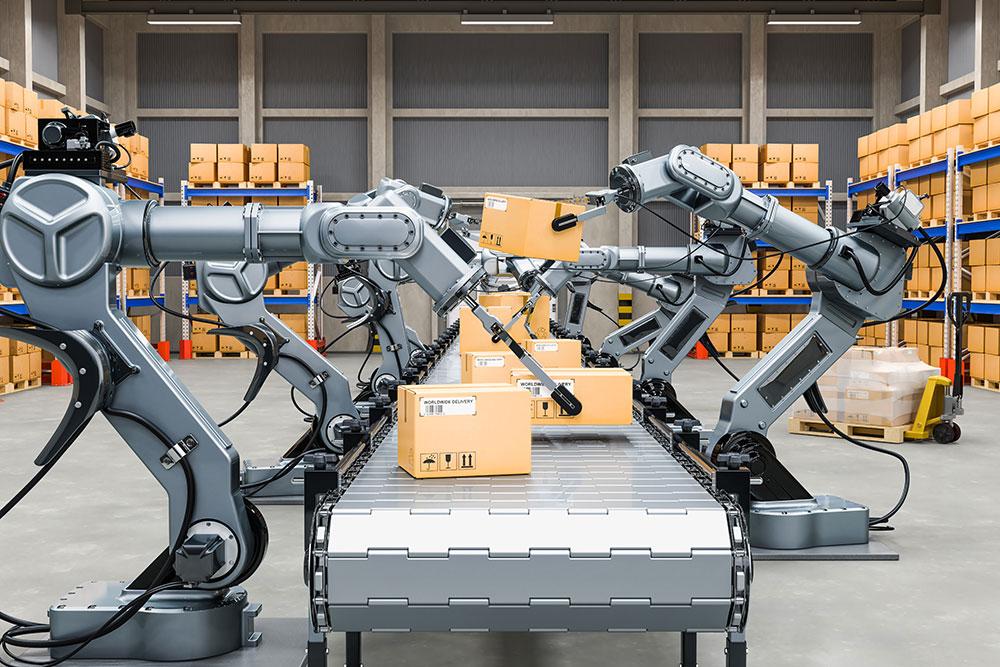
Warehouse robots are machines designed to support or automate logistics operations. The most common types include:
- AGV (Automated Guided Vehicles) – robots that follow predefined paths
- AMR (Autonomous Mobile Robots) – more advanced systems that navigate dynamically
- Picking robots – assisting with order fulfillment
Their main purpose is to improve efficiency, reduce errors, and optimize labor costs.
How much do warehouse robots cost?
The cost of warehouse automation varies significantly depending on the scale and complexity of the project.
Typical estimates:
- single robot: €20,000 – €50,000+
- software and management systems: additional costs
- integration and implementation: often a major part of the budget
In many cases, full deployment can reach hundreds of thousands or even millions of euros.
That’s why companies should always focus on one key factor: Return on Investment (ROI)
When do warehouse robots make sense?
Robotics becomes highly effective in environments that:
- operate at large scale
- have repetitive and predictable processes
- face labor shortages
- need to increase throughput without increasing headcount
In these scenarios, robots can:
- operate 24/7
- reduce operational errors
- significantly improve efficiency
When robots are NOT worth it
This is something rarely discussed — but critical.
Warehouse robots may not be a good investment when:
- the business is small or still growing
- processes are highly variable or unstable
- operations lack scale
- the investment would create excessive financial pressure
In such cases, automation may take too long to pay off — or may never fully justify the cost.
Where are robots already used?
It is important to remember that not every implementation is successful, and many projects fail due to poor planning
Biggest Mistakes When Implementing Warehouse Robots (and How to Avoid Them)
Warehouse robots are widely deployed in:
- e-commerce fulfillment centers
- logistics hubs
- large distribution warehouses
- manufacturing environments
These industries benefit from speed, repeatability, and scalability — making them ideal for automation.
Key takeaway: are they worth it?
Warehouse robots are not a one-size-fits-all solution.
However, in the right conditions, they can:
- significantly reduce operational costs
- improve productivity
- enhance process reliability
The key insight is simple: robots are worth it when the process is structured, scalable, and predictable.
Final thoughts
Automation is not just a trend — it’s a fundamental shift in how logistics operates.
But before investing, companies should carefully evaluate:
- costs
- operational scale
- expected ROI
Because in robotics — just like in business — the real question is always: is it actually worth it?
About RoboHubTech
RoboHubTech explores practical applications of robotics and automation in logistics, business, and everyday life.
For a deeper understanding of costs and investment planning, read this detailed guide
How Much Does Warehouse Automation Cost in 2026? Real Costs, Examples, and ROI